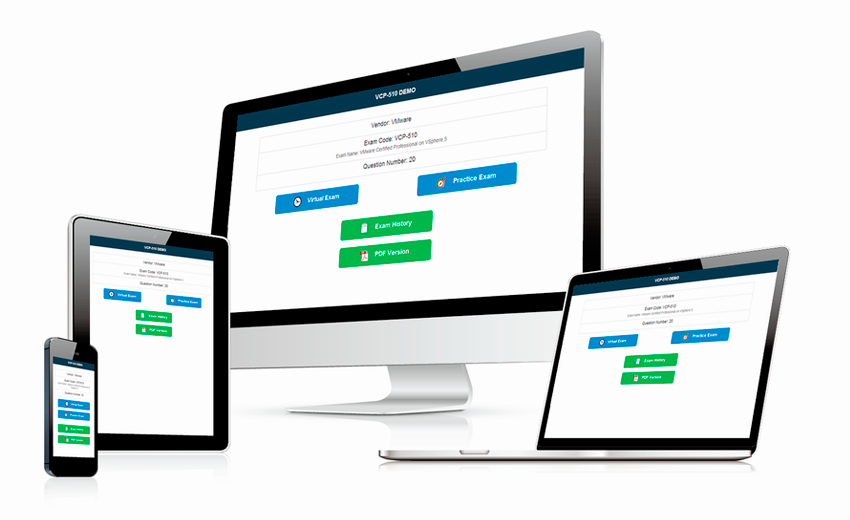
Try Before You Buy

Download a free sample of any of our exam questions and answers

  • 24/7 customer support, Secure shopping site
  • Free One year updates to match real exam scenarios
  • If you failed your exam after buying our products we will refund the full amount back to you.

CompTIA 220-1002日本語 Exam Braindumps - in .pdf Free Demo

  • Exam Code: 220-1002J
  • Exam Name: CompTIA A+ Certification Exam: Core 2 (220-1002日本語版)
  • Last Updated: Jul 26, 2026
  • Q & A: 850 Questions and Answers
  • Convenient, easy to study. Printable CompTIA 220-1002日本語 PDF Format. It is an electronic file format regardless of the operating system platform. 100% Money Back Guarantee.
  • PDF Price: $69.99    

CompTIA 220-1002日本語 Exam Braindumps - Testing Engine PC Screenshot

  • Exam Code: 220-1002J
  • Exam Name: CompTIA A+ Certification Exam: Core 2 (220-1002日本語版)
  • Last Updated: Jul 26, 2026
  • Q & A: 850 Questions and Answers
  • Uses the World Class 220-1002日本語 Testing Engine. Free updates for one year. Real 220-1002日本語 exam questions with answers. Install on multiple computers for self-paced, at-your-convenience training.
  • Testing Engine Price: $69.99    

CompTIA 220-1002日本語 Value Pack (Frequently Bought Together)

If you purchase CompTIA 220-1002日本語 Value Pack, you will also own the free online test engine.

PDF Version + PC Test Engine + Online Test Engine

Value Pack Total: $139.98  $89.99


About CompTIA 220-1002日本語 Exam Braindumps

Prerequisites for CompTIA 220-1002 Exam

The 220-1002 (Core 2) exam is designed for a certain target audience, so you should go for this test if you believe that you fall into this category of people. The ideal candidates for this exam are those individuals who work as technical support, IT help desk, or IT support specialists. It is also suitable for those who want to get the required skills and prove them with the associated certification to become such a professional. You can also increase your chances for success by having at least a year of experience as an IT specialist before going for this test. Without that experience, you may have some struggles while learning the exam content and answering the questions.

CompTIA A+ Core 2 220-1002 Exam

Amazon AWS Certified Security Specialty Exam is related to CompTIA A+ Certification. It validates the Candidates knowledge to assemble components based on customer requirements, Install, configure, and maintain PCs, mobile devices, and software for end users. It also tests the Candidates have an understanding of the basics of networking and security forensics, properly and safely diagnose, resolve, and document common hardware and software issues. CompTIA A+ Certified Professional usually hold or pursue this certification and you can expect the same job roles after completion of this certification.

Reference: https://certification.comptia.org/training/self-study/books/a-220-1001-220-1002-study-guide

How much 220-1002 Exam Cost

The price of the 220-1002 exam is $219 USD.

The free updating system

The study system of our company will provide all customers with the best study materials. If you buy the 220-1002日本語 latest questions of our company, you will have the right to enjoy all the 220-1002日本語 certification training materials from our company. More importantly, there are a lot of experts in our company; the first duty of these experts is to update the study system of our company day and night for all customers. By updating the study system of the 220-1002日本語 training materials, we can guarantee that our company can provide the newest information about the exam for all people. We believe that getting the newest information about the exam will help all customers pass the 220-1002日本語 exam easily. If you purchase our study materials, you will have the opportunity to get the newest information about the 220-1002日本語 exam. More importantly, the updating system of our company is free for all customers. It means that you can enjoy the updating system of our company for free.

Flexible version

According to the needs of all people, the experts and professors in our company designed three different versions of the 220-1002日本語 certification training materials for all customers. The three versions are very flexible for all customers to operate. According to your actual need, you can choose the version for yourself which is most suitable for you to preparing for the coming exam. All the 220-1002日本語 training materials of our company can be found in the three versions. It is very flexible for you to use the three versions of the 220-1002日本語 latest questions to preparing for your coming exam.

Meet the demands of all people

There are a lot of experts and professors in or company in the field. In order to meet the demands of all people, these excellent experts and professors from our company have been working day and night. They tried their best to design the best 220-1002日本語 certification training materials from our company for all people. By our study materials, all people can prepare for their 220-1002日本語 exam in the more efficient method. We can guarantee that our study materials will be suitable for all people and meet the demands of all people, including students, workers and housewives and so on. If you decide to buy and use the 220-1002日本語 training materials from our company with dedication on and enthusiasm step and step, it will be very easy for you to pass the exam without doubt. We sincerely hope that you can achieve your dream in the near future by the 220-1002日本語 latest questions of our company.

CompTIA 220-1002 Exam Syllabus Topics:

TopicDetails

Operating Systems - 27%

Compare and contrast common operating system types and their purposes.1. 32-bit vs. 64-bit
  • RAM limitations
  • Software compatibility

2. Workstation operating systems

  • Microsoft Windows
  • Apple Macintosh OS
  • Linux

3. Cell phone/tablet operating systems

  • Microsoft Windows
  • Android
  • iOS
  • Chrome OS

4. Vendor-specific limitations

  • End-of-life
  • Update limitations

5. Compatibility concerns between operating systems

Compare and contrast features of Microsoft Windows versions.1. Windows 7
2. Windows 8
3. Windows 8.1
4. Windows 10
5. Corporate vs. personal needs
  • Domain access
  • BitLocker
  • Media center
  • BranchCache
  • EFS

6. Desktop styles/user interface

Summarize general OS installation considerations and upgrade methods.1. Boot methods
  • Optical disc(CD-ROM, DVD, Blu-ray)
  • External drive/flash drive (USB/eSATA)
  • Network boot (PXE)
  • Internal fixed disk (HDD/SSD)
  • Internal hard drive (partition)

2. Type of installations

  • Unattended installation
  • In-place upgrade
  • Clean install
  • Repair installation
  • Multiboot
  • Remote network installation
  • Image deployment
  • Recovery partition
  • Refresh/restore

3. Partitioning

  • Dynamic
  • Basic
  • Primary
  • Extended
  • Logical
  • GPT

4. File system types/formatting

  • ExFAT
  • FAT32
  • NTFS
  • CDFS
  • NFS
  • ext3, ext4
  • HFS
  • Swap partition
  • Quick format vs. full format

5. Load alternate third-party drivers when necessary
6. Workgroup vs. Domain setup
7. Time/date/region/language settings
8. Driver installation, software, and Windows updates
9. Factory recovery partition
10. Properly formatted boot drive with the correct partitions/format
11. Prerequisites/hardware compatibility
12. Application compatibility
13. OS compatibility/upgrade path

Given a scenario, use appropriate Microsoft command line tools.1. Navigation
  • dir
  • cd
  • ..

2. ipconfig
3. ping
4. tracert
5. netstat
6. nslookup
7. shutdown
8. dism
9. sfc
10. chkdsk
11. diskpart
12. taskkill
13. gpupdate
14. gpresult
15. format
16. copy
17. xcopy
18. robocopy
19. net use
20. net user
21. [command name] /?
22. Commands available with standard privileges vs. administrative privileges

Given a scenario, use Microsoft operating system features and tools.1. Administrative
  • Computer Management
  • Device Manager
  • Local Users and Groups
  • Local Security Policy
  • Performance Monitor
  • Services
  • System Configuration
  • Task Scheduler
  • Component Services
  • Data Sources
  • Print Management
  • Windows Memory Diagnostics
  • Windows Firewall
  • Advanced Security
  • Event Viewer
  • User Account Management

2. MSConfig

  • General
  • Boot
  • Services
  • Startup
  • Tools

3. Task Manager

  • Applications
  • Processes
  • Performance
  • Networking
  • Users

4. Disk Management

  • Drive status
  • Mounting
  • Initializing
  • Extending partitions
  • Splitting partitions
  • Shrink partitions
  • Assigning/changing drive letters
  • Adding drives
  • Adding arrays
  • Storage spaces

5. System utilities

  • Regedit
  • Command
  • Services.msc
  • MMC
  • MSTSC
  • Notepad
  • Explorer
  • Msinfo32
  • DxDiag
  • Disk Defragmenter
  • System Restore
  • Windows Update
Given a scenario, use Microsoft Windows Control Panel utilities.1. Internet Options
  • Connections
  • Security
  • General
  • Privacy
  • Programs
  • Advanced

2. Display/Display Settings

  • Resolution
  • Color depth
  • Refresh rate

3. User Accounts
4. Folder Options

  • View hidden files
  • Hide extensions
  • General options
  • View options

5. System

  • Performance (virtual memory)
  • Remote settings
  • System protection

6. Windows Firewall
7. Power Options

  • Hibernate
  • Power plans
  • Sleep/suspend
  • Standby

8. Credential Manager
9. Programs and features
10. HomeGroup
11. Devices and Printers
12. Sound
13. Troubleshooting
14. Network and Sharing Center
15. Device Manager
16. BitLocker
17. Sync Center

Summarize application installation and configuration concepts.1. System requirements
  • Drive space
  • RAM

2. OS requirements

  • Compatibility

3. Methods of installation and deployment

  • Local (CD/USB)
  • Network-based

4. Local user permissions

  • Folder/file access for installation

5. Security considerations

  • Impact to device
  • Impact to network
Given a scenario, configure Microsoft Windows networking on a client/desktop.1. HomeGroup vs. Workgroup
2. Domain setup
3. Network shares/administrative shares/mapping drives
4. Printer sharing vs. network printer mapping
5. Establish networking connections
  • VPN
  • Dial-ups
  • Wireless
  • Wired
  • WWAN (Cellular)

6. Proxy settings
7. Remote Desktop Connection
8. Remote Assistance
9. Home vs. Work vs. Public network settings
10. Firewall settings

  • Exceptions
  • Configuration
  • Enabling/disabling Windows Firewall

11. Configuring an alternative IP address in Windows

  • IP addressing
  • Subnet mask
  • DNS
  • Gateway

12. Network card properties

  • Half duplex/full duplex/auto
  • Speed
  • Wake-on-LAN
  • QoS
  • BIOS (on-board NIC)
Given a scenario, use features and tools of the Mac OS and Linux client/desktop operating systems.1. Best practices
  • Scheduled backups
  • Scheduled disk maintenance
  • System updates/App Store
  • Patch management
  • Driver/firmware updates
  • Antivirus/Anti-malware updates

2. Tools

  • Backup/Time Machine
  • Restore/Snapshot
  • Image recovery
  • Disk maintenance utilities
  • Shell/Terminal
  • Screen sharing
  • Force Quit

3. Features

  • Multiple desktops/Mission Control
  • Key Chain
  • Spot Light
  • iCloud
  • Gestures
  • Finder
  • Remote Disc
  • Dock
  • Boot Camp

4. Basic Linux commands

  • ls
  • grep
  • cd
  • shutdown
  • pwd vs. passwd
  • mv
  • cp
  • rm
  • chmod
  • chown
  • iwconfig/ifconfig
  • ps
  • su/sudo
  • apt-get
  • vi
  • dd
  • kill

Security - 24%

Summarize the importance of physical security measures.1. Access control vestibule
2. Badge reader
3. Smart card
4. Security guard
5. Door lock
6. Biometric locks
7. Hardware tokens
8. Cable locks
9. Server locks
10. USB locks
11. Privacy screen
12. Key fobs
13. Entry control roster
Explain logical security concepts.1. Active Directory
  • Login script
  • Domain
  • Group Policy/Updates
  • Organizational Units
  • Home Folder
  • Folder redirection

2. Software tokens
3. MDM policies
4. Port security
5. MAC address filtering
6. Certificates
7. Antivirus/Anti-malware
8. Firewalls
9. User authentication/strong passwords
10. Multifactor authentication
11. Directory permissions
12. VPN
13. DLP
14. Access control lists
15. Smart card
16. Email filtering
17. Trusted/untrusted software sources
18. Principle of least privilege

Compare and contrast wireless security protocols and authentication methods.1. Protocols and encryption
  • WEP
  • WPA
  • WPA2
  • TKIP
  • AES

2. Authentication

  • Single-factor
  • Multifactor
  • RADIUS
  • TACACS
Given a scenario, detect, remove, and prevent malware using appropriate tools and methods.1. Malware
  • Ransomware
  • Trojan
  • Keylogger
  • Rootkit
  • Virus
  • Botnet
  • Worm
  • Spyware

2. Tools and methods

  • Antivirus
  • Anti-malware
  • Recovery console
  • Backup/restore
  • End user education
  • Software firewalls
  • DNS configuration
Compare and contrast social engineering, threats, and vulnerabilities.1. Social engineering
  • Phishing
  • Spear phishing
  • Impersonation
  • Shoulder surfing
  • Tailgating
  • Dumpster diving

2. DDoS
3. DoS
4. Zero-day
5. On-path attack (previously known as man-in-the-middle attack)
6. Brute force
7. Dictionary
8. Rainbow table
9. Spoofing
10. Non-compliant systems
11. Zombie

Compare and contrast the differences of basic Microsoft Windows OS security settings.1. User and groups
  • Administrator
  • Power user
  • Guest
  • Standard user

2. NTFS vs. share permissions

  • Allow vs. deny
  • Moving vs. copying folders and files
  • File attributes

3. Shared files and folders

  • Administrative shares vs. local shares
  • Permission propagation
  • Inheritance

4. System files and folders
5. User authentication

  • Single sign-on

6. Run as administrator vs. standard user
7. BitLocker
8. BitLocker To Go
9. EFS

Given a scenario, implement security best practices to secure a workstation.1. Password best practices
  • Setting strong passwords
  • Password expiration
  • Screensaver required password
  • BIOS/UEFI passwords
  • Requiring passwords

2. Account management

  • Restricting user permissions
  • Logon time restrictions
  • Disabling guest account
  • Failed attempts lockout
  • Timeout/screen lock
  • Change default admin user account/password
  • Basic Active Directory functions
    1. Account creation
    2. Account deletion
    3. Password reset/unlock account
    4. Disable account

3. Disable autorun
4. Data encryption
5. Patch/update management

Given a scenario, implement methods for securing mobile devices.1. Screen locks
  • Fingerprint lock
  • Face lock
  • Swipe lock
  • Passcode lock

2. Remote wipes
3. Locator applications
4. Remote backup applications
5. Failed login attempts restrictions
6. Antivirus/Anti-malware
7. Patching/OS updates
8. Biometric authentication
9. Full device encryption
10. Multifactor authentication
11. Authenticator applications
12. Trusted sources vs. untrusted sources
13. Firewalls
14. Policies and procedures

  • BYOD vs. corporate-owned
  • Profile security requirements
Given a scenario, implement appropriate data destruction and disposal methods.1. Physical destruction
  • Shredder
  • Drill/hammer
  • Electromagnetic (Degaussing)
  • Incineration
  • Certificate of destruction

2. Recycling or repurposing best practices

  • Low-level format vs. standard format
  • Overwrite
  • Drive wipe
Given a scenario, configure security on SOHO wireless and wired networks.1. Wireless-specific
  • Changing default SSID
  • Setting encryption
  • Disabling SSID broadcast
  • Antenna and access point placement
  • Radio power levels
  • WPS

2. Change default usernames and passwords
3. Enable MAC filtering
4. Assign static IP addresses
5. Firewall settings
6. Port forwarding/mapping
7. Disabling ports
8. Content filtering/parental controls
9. Update firmware
10. Physical security

Software Troubleshooting - 26%

Given a scenario, troubleshoot Microsoft Windows OS problems.1. Common symptoms
  • Slow performance
  • Limited connectivity
  • Failure to boot
  • No OS found
  • Application crashes
  • Blue screens
  • Blank screens
  • Printing issues
  • Services fail to start
  • Slow bootup
  • Slow profile load

2. Common solutions

  • Defragment the hard drive
  • Reboot
  • Kill tasks
  • Restart services
  • Update network settings
  • Reimage/reload OS
  • Roll back updates
  • Roll back devices drivers
  • Apply updates
  • Repair application
  • Update boot order
  • Disable Windows services/applications
  • Disable application startup
  • Safe boot
  • Rebuild Windows profiles
Given a scenario, troubleshoot and resolve PC security issues.1. Common symptoms
  • Pop-ups
  • Browser redirection
  • Security alerts
  • Slow performance
  • Internet connectivity issues
  • PC/OS lockup
  • Application crash
  • OS updates failures
  • Rogue antivirus
  • Spam
  • Renamed system files
  • Disappearing files
  • File permission changes
  • Hijacked email
    - Responses from users regarding email
    - Automated replies from unknown sent email
  • Access denied
  • Invalid certificate (trusted root CA)
  • System/application log errors
Given a scenario, use best practice procedures for malware removal.1. Identify and research malware symptoms.
2. Quarantine the infected systems.
3. Disable System Restore (in Windows).
4. Remediate the infected systems.
  • Update the anti-malware software.
  • Scan and use removal techniques (safe mode, pre-installation environment).

5. Schedule scans and run updates.
6. Enable System Restore and create a restore point (in Windows).
7. Educate the end user.

Given a scenario, troubleshoot mobile OS and application issues.1. Common symptoms
  • Dim display
  • Intermittent wireless
  • No wireless connectivity
  • No Bluetooth connectivity
  • Cannot broadcast to external monitor
  • Touchscreen non-responsive
  • Apps not loading
  • Slow performance
  • Unable to decrypt email
  • Extremely short battery life
  • Overheating
  • Frozen system
  • No sound from speakers
  • Inaccurate touch screen response
  • System lockout
  • App log errors
Given a scenario, troubleshoot mobile OS and application security issues.1. Common symptoms
  • Signal drop/weak signal
  • Power drain
  • Slow data speeds
  • Unintended WiFi connection
  • Unintended Bluetooth pairing
  • Leaked personal files/data
  • Data transmission over limit
  • Unauthorized account access
  • Unauthorized location tracking
  • Unauthorized camera/microphone activation
  • High resource utilization

Operational Procedures - 23%

Compare and contrast best practices associated with types of documentation.1. Network topology diagrams
2. Knowledge base/articles
3. Incident documentation
4. Regulatory and compliance policy
5. Acceptable use policy
6. Password policy
7. Inventory management
  • Asset tags
  • Barcodes
Given a scenario, implement basic change management best practices.1. Documented business processes
2. Purpose of the change
3. Scope the change
4. Risk analysis
5. Plan for change
6. End-user acceptance
7. Change board
  • Approvals

8. Backout plan
9. Document changes

Given a scenario, implement basic disaster prevention and recovery methods.1. Backup and recovery
  • Image level
  • File level
  • Critical applications

2. Backup testing
3. UPS
4. Surge protector
5. Cloud storage vs. local storage backups
6. Account recovery options

Explain common safety procedures.1. Equipment grounding
2. Proper component handling and storage
  • Antistatic bags
  • ESD straps
  • ESD mats
  • Self-grounding

3. Toxic waste handling

  • Batteries
  • Toner
  • CRT
  • Cell phones
  • Tablets

4. Personal safety

  • Disconnect power before repairing PC
  • Remove jewelry
  • Lifting techniques
  • Weight limitations
  • Electrical fire safety
  • Cable management
  • Safety goggles
  • Air filter mask

5. Compliance with government regulations

Explain environmental impacts and appropriate controls.1. MSDS documentation for handling and disposal
2. Temperature, humidity level awareness, and proper ventilation
3. Power surges, under-voltage events, and power loss
  • Battery backup
  • Surge suppressor

4. Protection from airborne particles

  • Enclosures
  • Air filters/mask

5. Dust and debris

  • Compressed air
  • Vacuums

6. Compliance to government regulations

Explain the processes for addressing prohibited content/ activity, and privacy, licensing, and policy concepts.1. Incident response
  • First response
    - Identify
    - Report through proper channels
    - Data/device preservation
  • Use of documentation/documentation changes
  • Chain of custody
    Tracking of evidence/documenting process

2. Licensing/DRM/EULA

  • Open-source vs. commercial license
  • Personal license vs. enterprise licenses

3. Regulated data

  • PII
  • PCI
  • GDPR
  • PHI

4. Follow all policies and security best practices

Given a scenario, use proper communication techniques and professionalism.1. Use proper language and avoid jargon, acronyms, and slang, when applicable
2. Maintain a positive attitude/project confidence
3. Actively listen (taking notes) and avoid interrupting the customer
4. Be culturally sensitive
  • Use appropriate professional titles, when applicable

5. Be on time (if late, contact the customer)
6. Avoid distractions

  • Personal calls
  • Texting/social media sites
  • Talking to coworkers while interacting with customers
  • Personal interruptions

7. Dealing with difficult customers or situations

  • Do not argue with customers and/or be defensive
  • Avoid dismissing customer problems
  • Avoid being judgmental
  • Clarify customer statements (ask open-ended questions to narrow the scope of the problem, restate the issue, or question to verify understanding)
  • Do not disclose experiences via social media outlets

8. Set and meet expectations/timeline and communicate status with the customer

  • Offer different repair/replacement options, if applicable
  • Provide proper documentation on the services provided
  • Follow up with customer/user at a later date to verify satisfaction

9. Deal appropriately with customers’ confidential and private materials

  • Located on a computer, desktop, printer, etc.
Identify the basics of scripting.1. Script file types
  • .bat
  • .ps1
  • .vbs
  • .sh
  • .py
  • .js

2. Environment variables
3. Comment syntax
4. Basic script constructs

  • Basic loops
  • Variables

5. Basic data types

  • Integers
  • Strings
Given a scenario, use remote access technologies.1. RDP
2. Telnet
3. SSH
4. Third-party tools
  • Screen share feature
  • File share

5. Security considerations of each access method

As is known to us, there are best sale and after-sale service of the 220-1002日本語 certification training materials all over the world in our company. Our company has employed a lot of excellent experts and professors in the field in the past years, in order to design the best and most suitable 220-1002日本語 latest questions for all customers. More importantly, it is evident to all that the 220-1002日本語 training materials from our company have a high quality, and we can make sure that the quality of our products will be higher than other study materials in the market. If you want to pass the 220-1002日本語 exam and get the related certification in the shortest time, choosing the 220-1002日本語 training materials from our company will be in the best interests of all people. We can make sure that it will be very easy for you to pass your exam and get the related certification in the shortest time that beyond your imagination. Now we are going to introduce the 220-1002日本語 certification training materials from our company to you in detail.

220-1002日本語 exam dumps

What Clients Say About Us

LEAVE A REPLY

Your email address will not be published. Required fields are marked *

Quality and Value

DumpTorrent Practice Exams are written to the highest standards of technical accuracy, using only certified subject matter experts and published authors for development - no all vce.

Tested and Approved

We are committed to the process of vendor and third party approvals. We believe professionals and executives alike deserve the confidence of quality coverage these authorizations provide.

Easy to Pass

If you prepare for the exams using our DumpTorrent testing engine, It is easy to succeed for all certifications in the first attempt. You don't have to deal with all dumps or any free torrent / rapidshare all stuff.

Try Before Buy

DumpTorrent offers free demo of each product. You can check out the interface, question quality and usability of our practice exams before you decide to buy.